
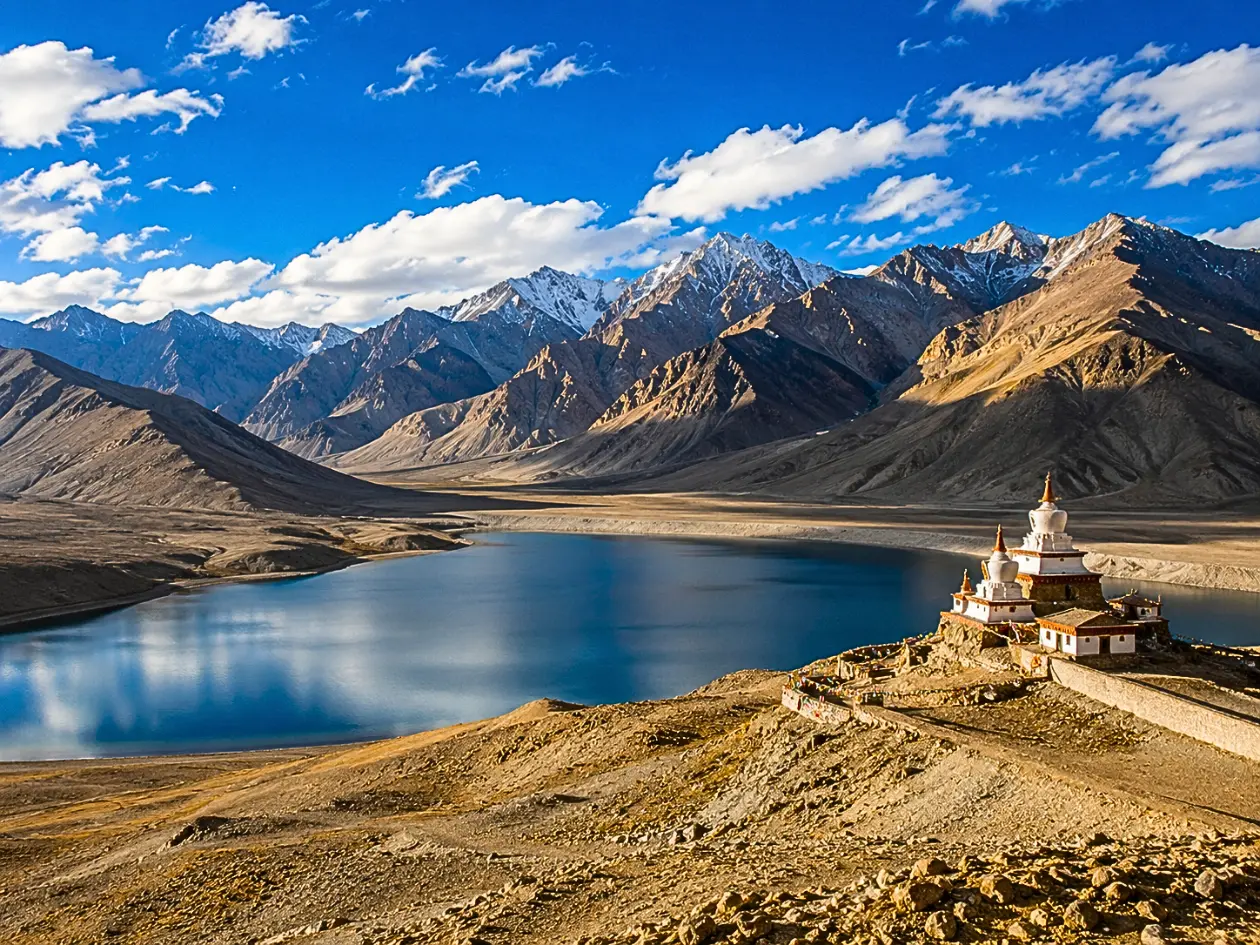
Ladakh Tour Packages, paced so the altitude never spoils the view.
Monasteries above the Indus, the road over Khardung La, sand dunes in Nubra and the changing blues of Pangong Tso — sequenced so your body has time to adjust before the high passes.
Ladakh, planned properly
In Ladakh, the itinerary is a medical decision as much as a travel one
Leh sits at roughly 3,500 m, and every headline sight in Ladakh is higher still — Khardung La at about 5,359 m, Pangong Tso at around 4,350 m. The single biggest difference between a trip people rave about and one they spend in a hotel room with a headache is whether the first 48 hours were used for acclimatisation instead of sightseeing. Every My Trip Companion Ladakh tour package builds those days in deliberately, then stacks the high-altitude drives afterwards.
Most travellers need seven to nine days to do Leh, Nubra Valley and Pangong Tso without rushing, with Tso Moriri or the Zanskar side added for longer trips. We arrange the Inner Line and Protected Area permits, book oxygen-equipped vehicles for the high sectors, and keep a trip host reachable throughout. Coming over land from the Valley? Ladakh follows naturally from our Kashmir tour packages along the Zoji La route, or browse all our tour packages.
Why Ladakh
Three reasons Ladakh is unlike anywhere else in India
A high-altitude desert, not a hill station
Ladakh sits in the rain shadow of the Himalaya — bare ochre ridges, cobalt skies and rivers the colour of glacier melt. The landscape reads more like Tibet or Patagonia than anywhere else in the country.
Living Buddhist monasteries
Hemis, Thiksey, Diskit and Alchi are working gompas, not museums. Time your trip around a masked-dance festival and you are watching a tradition that has run for centuries, not a performance staged for visitors.
Roads that are the destination
Khardung La, Chang La and the run down to Pangong are among the highest motorable roads anywhere. Half of what people remember about Ladakh happens through a windscreen.
Ladakh packages
Pick a starting point, then make it yours
Every itinerary below is fully customisable — hotel category, pacing, route and add-ons — at no extra planning fee.
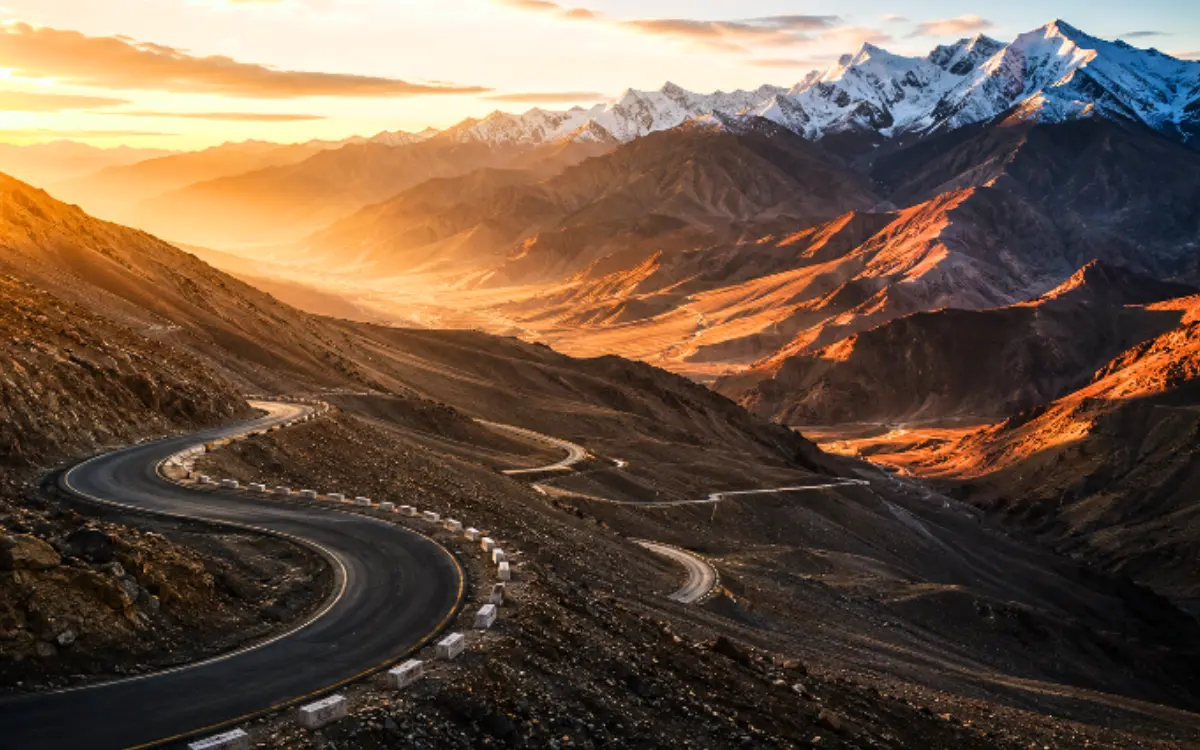
Ladakh High Passes
The classic circuit with two full acclimatisation days in Leh before Khardung La, Nubra and Pangong Tso.
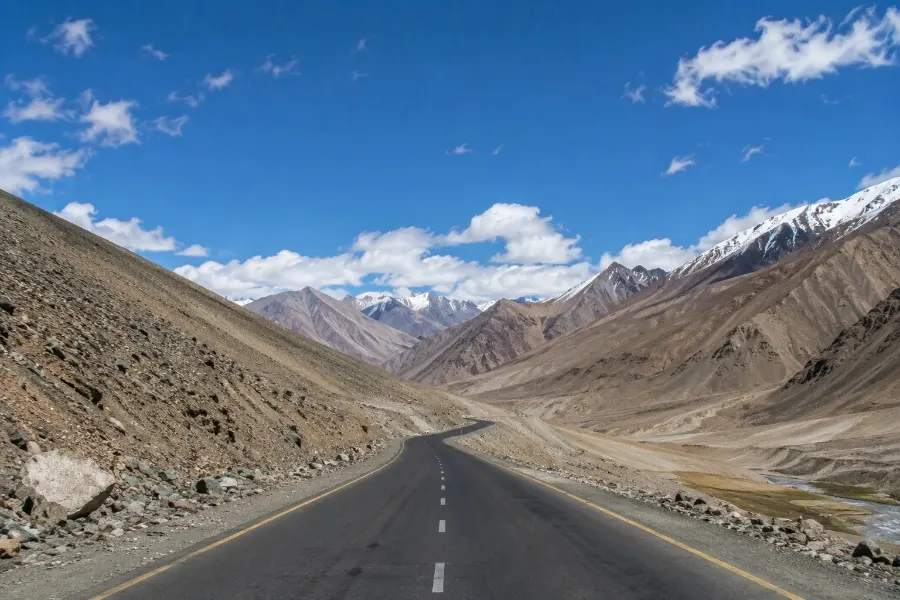
Leh & Monasteries Short Escape
For travellers short on days or cautious about altitude — Leh, the Indus valley gompas and a single high pass.
Manali to Leh Overland
The overland approach across Baralacha La and Tanglang La, gaining altitude gradually the way the road intends.
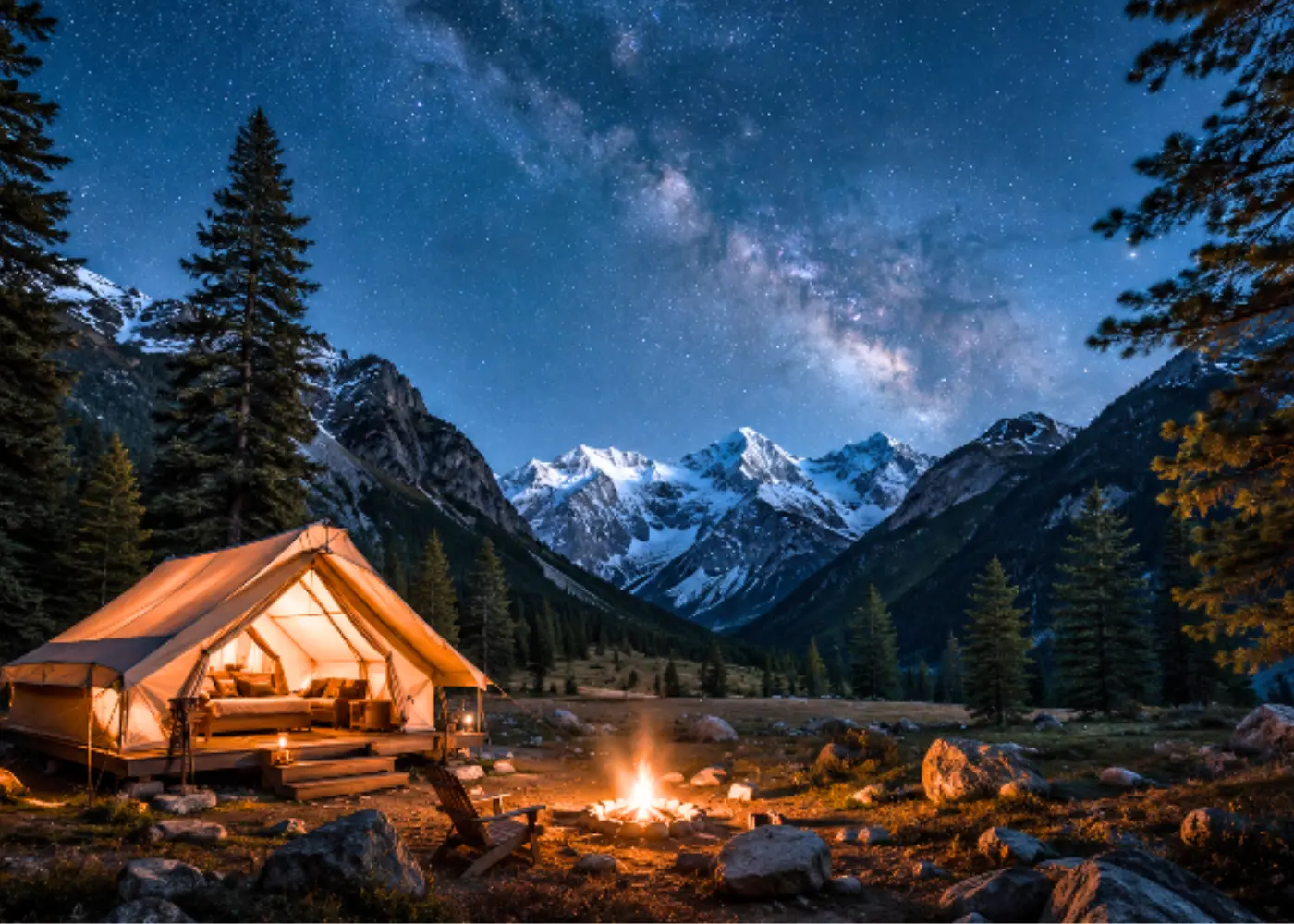
Tso Moriri & Hanle Extension
South-east to the Changthang plateau, nomad camps and the dark skies above Hanle — far past the usual circuit.
Prices are per person on twin sharing and vary by season and hotel category. Your trip designer confirms an exact quote in writing before any payment.
When to go
Best time to visit Ladakh
Ladakh has a genuinely short season. Which months work depends on whether you are flying in or driving in.
| Season | Months | Weather | Best for |
|---|---|---|---|
| Spring | Apr – mid May | Cold, ~0–15°C; passes still clearing | Flying in, quiet monasteries, low season rates |
| Summer | Jun – Aug | Warm days ~15–30°C, cold nights | Full circuit, overland highways, Hemis festival |
| Autumn | Sep – mid Oct | Crisp ~5–20°C; the clearest skies | Photography, Pangong, fewer crowds |
| Winter | Nov – Mar | Severe, down to −20°C; highways shut | Chadar trek, snow leopard spotting — specialists only |
June to September is the reliable window for the full Leh–Nubra–Pangong circuit. The Manali–Leh and Srinagar–Leh highways typically open around late May or June and close by October; Leh airport operates year-round.
The circuit
Places every Ladakh itinerary should consider
Leh
2–3 nightsYour acclimatisation base at ~3,500 m. Leh Palace, Shanti Stupa, the old-town bazaar and short walks that let your body adjust before the passes.
Indus Valley monasteries
Day tripThiksey at dawn for morning prayers, Hemis in its side gorge, Shey and Stakna along the river — the gentlest possible first full day.
Khardung La
En routeOne of the highest motorable passes in the world at roughly 5,359 m. A short stop only — the standing advice is not to linger at that height.
Nubra Valley
1–2 nightsDiskit monastery above the valley floor, the Hunder sand dunes with their double-humped Bactrian camels, and Turtuk close to the Line of Control.
Pangong Tso
1 nightA 134 km lake at about 4,350 m that shifts through half a dozen blues in a single day. Camp stays are basic by design — the setting is the point.
Tso Moriri & Changthang
2+ nights · offbeatThe high plateau south-east of Leh — Korzok village, Changpa nomad camps and some of the darkest night skies in India.
Before you fly
Getting there, and getting your altitude right
Ladakh is the one destination where the first two days of the itinerary matter more than the rest.
Flying in
Leh (IXL) has direct flights from Delhi and seasonal connections elsewhere. You go from sea level to 3,500 m in about ninety minutes — which is exactly why we keep the first day free of driving and sightseeing.
Driving in
The Srinagar–Leh highway over Zoji La and the Manali–Leh highway over Baralacha La both gain altitude gradually, which suits your body far better than flying. Both are seasonal, roughly June to October.
Acclimatising properly
Two nights in Leh before any high pass, plenty of water, no alcohol on arrival, and a slow first day. Our vehicles on the high sectors carry oxygen, and trip hosts are briefed to turn a car around if someone is struggling.
Permits
Nubra, Pangong, Tso Moriri and Hanle sit in protected areas requiring an Inner Line Permit (Indian nationals) or Protected Area Permit (foreign nationals). We arrange these in advance — bring valid photo ID for every traveller.
Where you sleep
Where you sleep in Ladakh
Comfort drops as altitude rises, and that is worth knowing before you book.
Leh hotels & guesthouses
ComfortableThe one place in Ladakh with genuinely good rooms — heating, hot water and proper beds. Worth spending your comfort budget here, since it is also where you acclimatise.
Nubra camps & homestays
SimpleFixed tented camps near Hunder with attached bathrooms, or family homestays in Turtuk. Clean and warm, but do not expect a resort.
Pangong camps
BasicSeasonal camps on the shore with limited electricity and no heating overnight. Everyone finds it cold; almost nobody regrets staying.
No surprises
What’s included in every package
✅ Included
- ✓Handpicked stays — hotels, resorts or homestays as per package
- ✓Private vehicle with a local driver for all transfers and sightseeing
- ✓Daily breakfast at all stays
- ✓Dedicated trip host with 24×7 on-trip support
- ✓All standard permits and paperwork where required
- ✓Inner Line / Protected Area Permits for Nubra, Pangong and Tso Moriri
- ✓Oxygen cylinder in the vehicle on all high-altitude sectors
➕ Quoted separately
- •Flights and trains to and from the region
- •Lunches and dinners (we recommend the best local spots)
- •Entry tickets and optional activities unless explicitly listed
- •Travel insurance and personal expenses
- •Anything not listed under Included
- •Monastery camera fees and entry tickets
In frame
Ladakh, through our travellers’ days
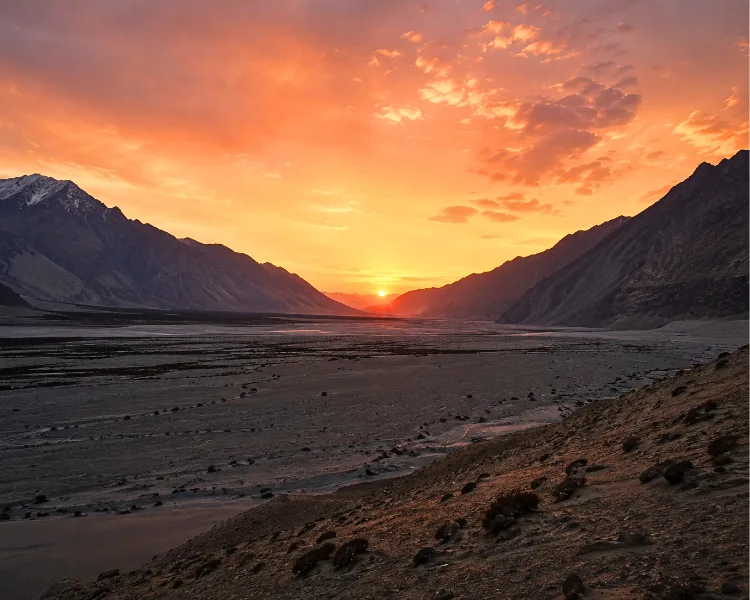
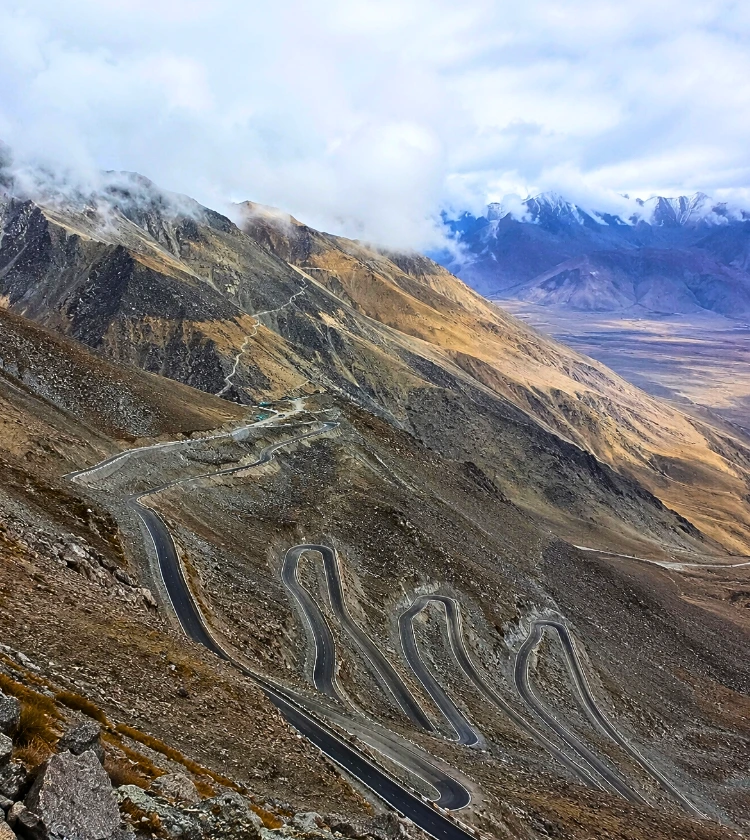
[[NEEDS: more Ladakh photography]] — this gallery reuses the Ladakh images already in the media library. Upload trip photos you own the rights to and swap them in.
Good to know
Ladakh trip FAQs
June to September is the reliable window for the full Leh–Nubra–Pangong circuit, with the clearest skies in September and early October. April and May work if you are flying into Leh, but the overland highways are usually still closed. November to March is severe winter — only for specialist trips like the Chadar trek.
Seven to nine days is realistic: two for acclimatisation in Leh, one for the Indus valley monasteries, two for Nubra and two for Pangong. Anything under five days means either skipping the high-altitude sights or attempting them before your body is ready.
Mild symptoms — headache, breathlessness, poor sleep — are common in the first day or two and usually pass. The way to avoid the serious version is a slow itinerary: two nights in Leh before any high pass, plenty of water, no alcohol on arrival. Our vehicles carry oxygen on the high sectors and trip hosts are briefed to descend if anyone deteriorates.
Yes. Nubra, Pangong, Tso Moriri and Hanle are protected areas requiring an Inner Line Permit for Indian nationals or a Protected Area Permit for foreign nationals. We arrange these in advance; every traveller needs to carry valid photo ID.
It can be, with the right itinerary. Very young children and travellers with heart or lung conditions should take medical advice first, since the altitude is not negotiable. We regularly build gentler versions that stay lower — Leh and the Indus valley rather than Khardung La and Pangong.
Keep exploring
Pairs well with Ladakh
Your Ladakh trip starts with one message
Send your dates and how much altitude you are comfortable with, and a Leh-based trip designer will reply with a Ladakh itinerary that acclimatises you properly — usually within a few hours.
+91 91038 00859 · info@mytripcompanion.com