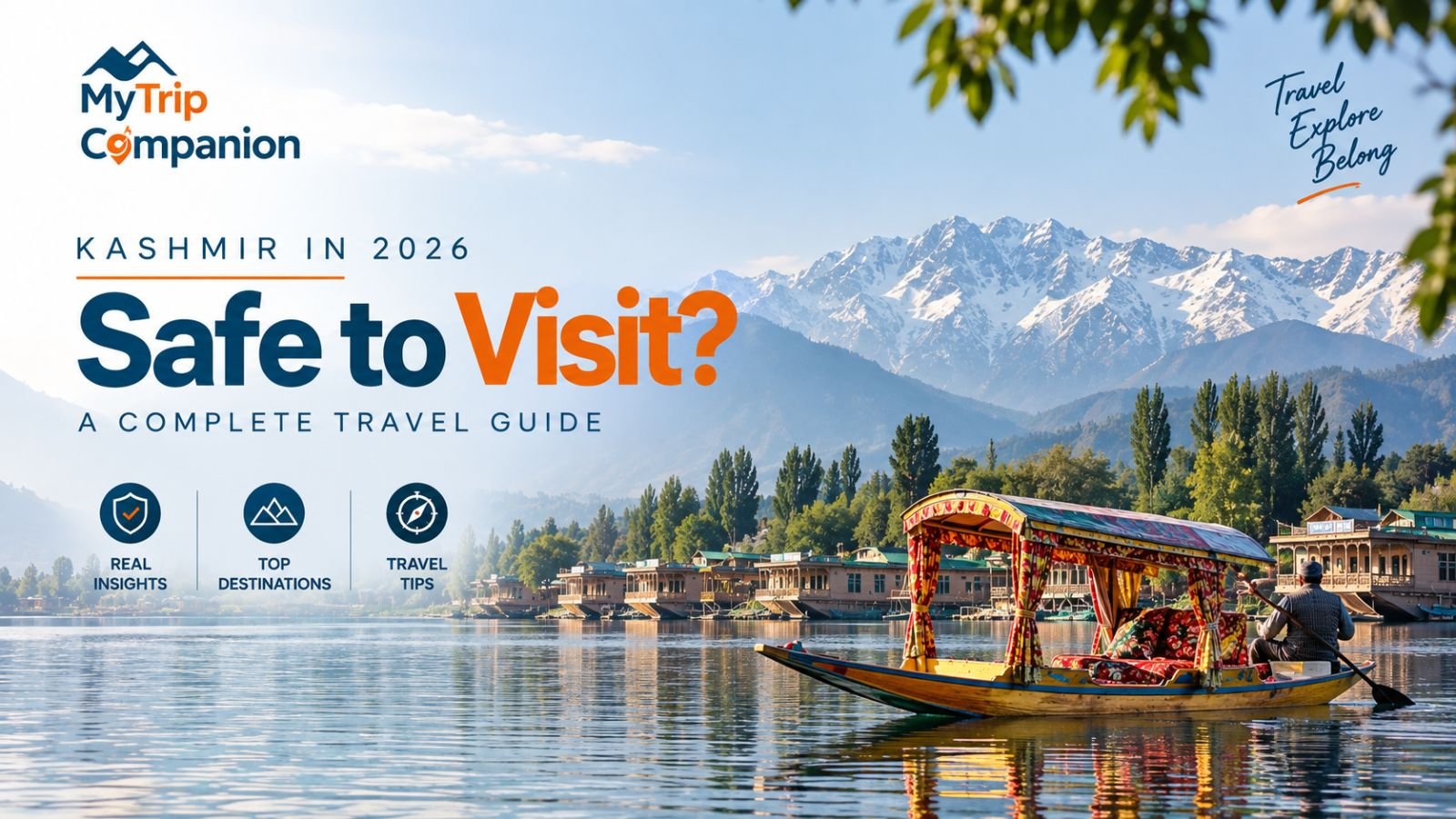

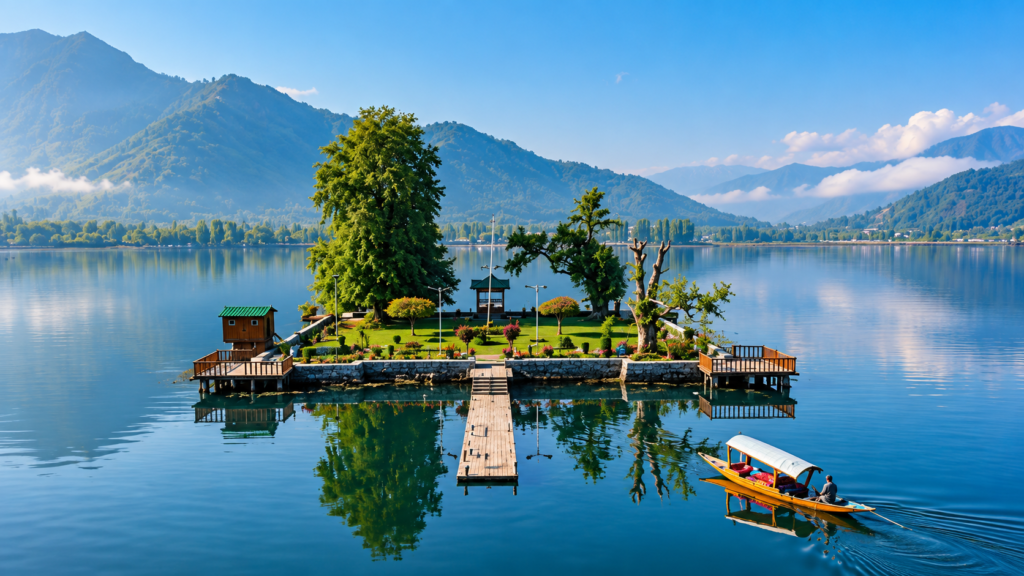
Kashmir has always pulled travelers in with its snow-capped peaks, houseboats on Dal Lake, and meadows that look almost too perfect to be real. But every year, one question keeps popping up in search bars before people book a single ticket: is Kashmir actually safe to visit right now?
If you’re planning a trip in 2026, you’re not alone in asking this. Here’s the short, honest answer: yes, Kashmir is safe to travel to in 2026, especially across the well-established tourist circuits like Srinagar, Gulmarg, Pahalgam, and Sonamarg. But “safe” doesn’t mean “risk-free everywhere,” and there are a few things worth understanding before you pack your bags. This guide breaks down the current situation, what changed after 2025, and exactly how to plan a smooth, secure trip.
Quick Answer: Is Kashmir Safe Right Now?
Yes. As of 2026, major tourist destinations in Kashmir are open, functioning normally, and seeing record visitor numbers. Hotels, houseboats, transport, and sightseeing spots operate daily, security presence has been significantly increased in popular areas, and there have been no major incidents affecting tourist zones in recent months. The situation is comparable to visiting any other high-security domestic destination in India — as long as you stick to established routes and follow standard travel precautions.
What Happened in 2025 — And Why It Matters for 2026 Travelers
To understand why this question keeps coming up, it helps to know the backstory. In April 2025, a terror attack in Pahalgam caused a sharp, temporary dip in tourist confidence and led authorities to close dozens of tourist sites for security review. It was a serious event, and it’s understandable that it shook traveler sentiment for a while.
What matters for anyone traveling in 2026 is what happened next. Authorities responded by tightening security dramatically across the valley, and the tourism sector has since staged one of its strongest recoveries in years. Gulmarg, Sonamarg, and Srinagar reportedly hit full hotel occupancy during the 2025–26 winter season, and the Amarnath Yatra — a major pilgrimage that had been paused — resumed without incident. Officials have also been steadily reopening tourist sites that were closed after the attack, with more expected to reopen through spring 2026 once snow clearance and safety checks are complete.
In short: 2025 was a rough patch, not a pattern. The response to it is a big part of why 2026 is shaping up to be one of Kashmir’s busiest tourism years on record.
Current Security Situation in Kashmir (2026)
Here’s what’s actually happening on the ground this year:
- No active travel restrictions for tourists visiting popular circuits.
- Increased police deployment and visible security presence in Srinagar, Gulmarg, Pahalgam, and Sonamarg.
- 24/7 tourist helplines and dedicated Tourist Police units set up specifically to assist visitors.
- CCTV coverage and quick-response teams stationed across high-footfall tourist hubs.
- No communication blackouts or curfews have affected tourist areas in recent months.
- Improved connectivity, including expanded flight routes into Srinagar and a new Katra–Srinagar rail link that’s made the region easier to reach than ever.
- Record tourist arrivals — Jammu & Kashmir reportedly welcomed over 16 million visitors in 2025 despite the April disruption, and 2026 numbers are on track to surpass that.
Most disturbances, when they do occur, are localized to specific areas and rarely affect the routes tourists actually travel.
Which Areas Are Safe to Visit?
Not all of Kashmir carries the same risk profile, and that’s normal for any large region with a complex history. Here’s a simple breakdown:
Considered Safe for Tourists
- Srinagar — Dal Lake, houseboats, Mughal Gardens, Shankaracharya Temple
- Gulmarg — skiing, gondola rides, meadows
- Pahalgam — river valleys, pony rides, base camp for treks
- Sonamarg — glaciers, high-altitude scenery
- Doodhpathri, Yusmarg — quieter, less-crowded alternatives
These destinations see heavy tourist traffic year-round and are the primary focus of security deployment.
Emerging / Reopening Destinations
Places like Gurez Valley, Bangus Valley, and Ramkund are gradually reopening as infrastructure and security checks are completed. These offer a more offbeat experience but may have fewer facilities and should be visited with a licensed local guide.
Areas to Avoid
- Border-adjacent zones not officially opened to tourists
- Remote rural areas without tourist infrastructure or security presence
- Any location a local guide, hotel, or official advisory flags as off-limits during your visit
If you stick to the first category, your trip will look no different from visiting any other major Indian tourist destination.
Essential Safety Tips for Traveling to Kashmir in 2026
- Check official advisories before you go. Look at the Jammu & Kashmir Tourism Department website and national advisories from the Ministry of Home Affairs or your home country’s foreign ministry if you’re an international traveler.
- Book through licensed, registered operators. Verified agencies know current routes, restrictions, and reliable local guides — and they help you avoid common scams.
- Stick to well-known tourist circuits. Popular routes have the heaviest security presence and the best support infrastructure.
- Carry valid ID at all times. Indian nationals need a valid ID (Aadhaar is widely accepted); international travelers should carry their passport and visa, as hotel check-ins require verification.
- Avoid sensitive dates when possible. Security is sometimes tightened around dates like Republic Day (January 26) and Independence Day (August 15), which can mean more checkpoints and slower movement.
- Dress modestly, especially at religious sites, out of respect for local customs.
- Keep in touch with your accommodation or guide about the day’s plans, especially if you’re heading somewhere less frequented.
- Save the tourist helpline numbers before you travel so you have them on hand in case you need assistance.
- Travel during daylight hours on intercity routes where possible, and let someone know your itinerary.
- Don’t rely on rumors or social media panic. Cross-check anything alarming against an official source before changing your plans.
Do You Need Any Special Permits?
For most tourist circuits, no. Indian nationals can visit Srinagar, Gulmarg, Pahalgam, and similar destinations without special permits — just a valid ID. Foreign nationals are generally welcome in these same areas, though certain border-adjacent zones remain restricted, and some locations may require local police verification for international visitors. If you’re planning to venture into less common or high-altitude military-adjacent areas, check permit requirements with a local operator well in advance.
Best Time to Visit Kashmir in 2026
| Season | Months | Highlights |
|---|---|---|
| Spring | March – May | Blooming gardens, mild weather, fewer crowds |
| Summer | June – August | Peak season, lush meadows, ideal for sightseeing |
| Autumn | September – October | Golden Chinar trees, pleasant weather, great photography |
| Winter | December – February | Snowfall, skiing in Gulmarg, frozen Dal Lake |
Peak tourist footfall happens in summer (April–July) and winter (December–February), so book accommodation early if you’re traveling during these windows.
Common Myths About Kashmir Travel — Debunked
Myth: Kashmir is always unsafe. Fact: Tourist zones remain calm, monitored, and see millions of visitors annually without incident.
Myth: Tourists constantly face restrictions or curfews. Fact: Restrictions, when they happen, are rare and localized — they rarely affect established tourist routes.
Myth: There’s no internet or phone connectivity. Fact: Connectivity is available and reliable across all major tourist destinations.
Myth: You need special permits just to visit Srinagar or Gulmarg. Fact: No special permits are required for these mainstream circuits — just standard ID verification.
Frequently Asked Questions
Is it safe for solo female travelers to visit Kashmir in 2026?
Yes, solo female travelers regularly visit Kashmir’s main tourist areas. As with solo travel anywhere, it’s smart to book verified accommodations, avoid isolated areas after dark, and stay in touch with someone about your itinerary.
Is Kashmir safe for international tourists?
Yes. International tourists are welcomed across major circuits. Carry your passport and visa for hotel check-ins, and check your home country’s current travel advisory before booking.
What should I do if I hear about unrest during my trip?
Stay in your hotel or a safe indoor location, follow instructions from local authorities or your hotel staff, and rely on official news sources rather than social media rumors.
Are flights and trains to Kashmir operating normally?
es. Srinagar International Airport operates with expanded connectivity from major Indian cities, and the newer Katra–Srinagar rail link has made overland travel easier too, weather permitting.
Is travel insurance recommended for a Kashmir trip?
Yes — as with any mountain or high-altitude destination, travel insurance covering medical emergencies, trip cancellation, and adventure activities is a smart precaution.
Kashmir’s tourist circuits are open, well-monitored, and welcoming record numbers of visitors in 2026. The region’s history is undeniably complex, and the 2025 Pahalgam incident was real and serious — but the response since then has strengthened security rather than weakened it, and the recovery in tourist numbers reflects genuine, sustained confidence rather than blind optimism.
If you book through a reliable operator, stick to established routes, stay informed with official advisories, and use common travel sense, there’s little reason a 2026 Kashmir trip should look any riskier than a visit to most other major Indian destinations. Pack for the weather, keep your itinerary flexible, and get ready for one of the most beautiful trips India has to offer.
This article reflects the travel situation as of 2026. Conditions can change, so always verify current advisories with the J&K Tourism Department or your government’s travel advisory service before departure.
Ready to Visit Kashmir?
Now that you know Kashmir is safe, explore our Kashmir tour packages starting at just ₹20,000 for 2 persons. Whether you prefer a quick 3N/4D getaway or a complete 5N/6D experience, we have the perfect itinerary for you.
Related reads: Kashmir vs Himachal — Which Suits You? | Ladakh Travel Mistakes to Avoid